AI POWERED ELEARNING
In a world moving faster than ever, Inelso is your AI powered e-learning partner.








AI CAPABILITIES
See what AI can bring to learning

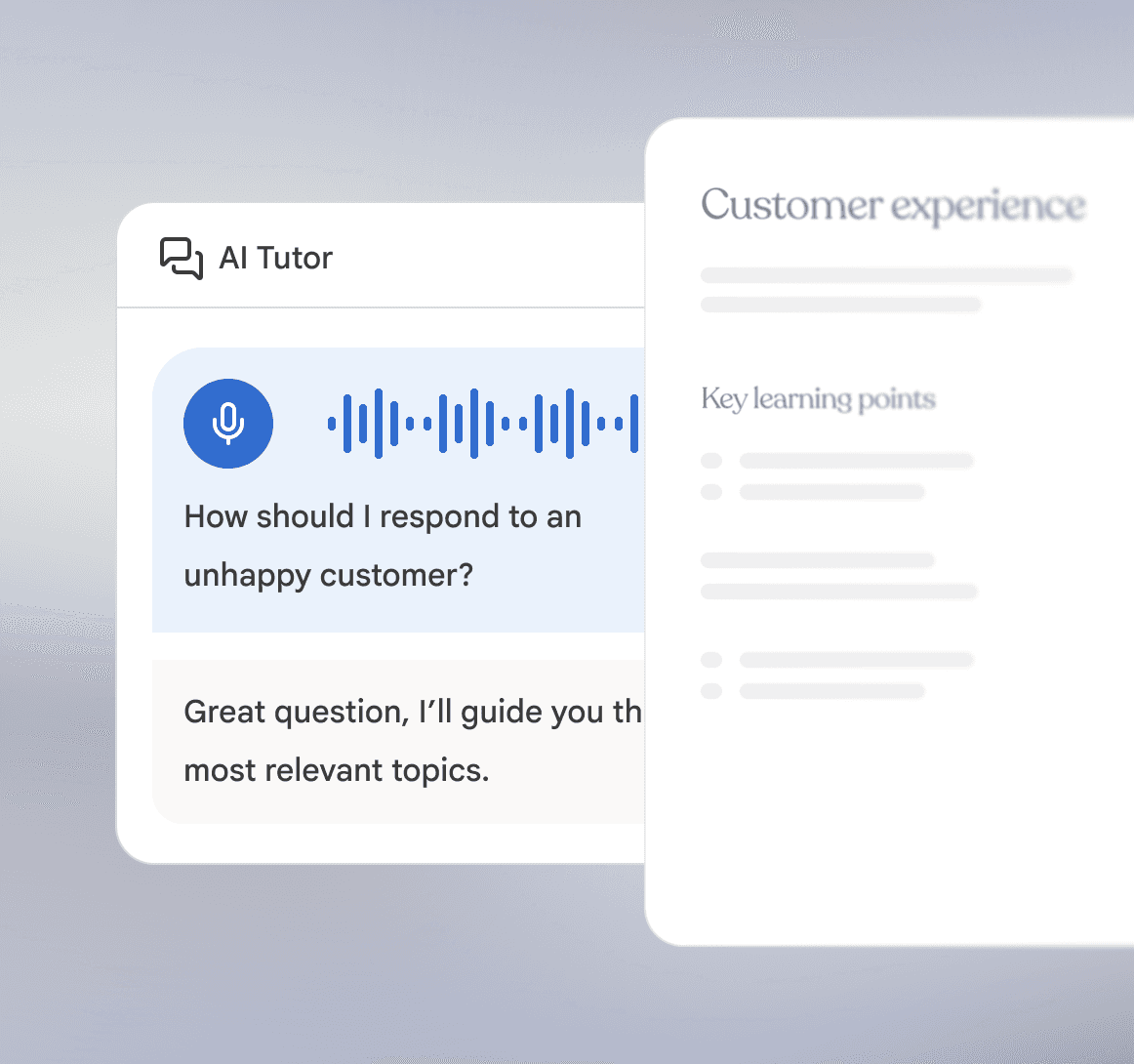
Give learners the freedom to ask questions, explore relevant topics and receive support shaped around their needs and progress.

AI Mentor

AI Tutor
Learn more

Create safe, realistic opportunities for learners to practise workplace situations, make decisions, receive feedback and try again.

AI Roleplaying

AI Simulation
Learn more

Help employees find information, understand processes and know what to do next without adding more routine questions to your teams.

AI Assistant
Learn more
LEARNING CONTENT
Upgrade your existing content
Learn more
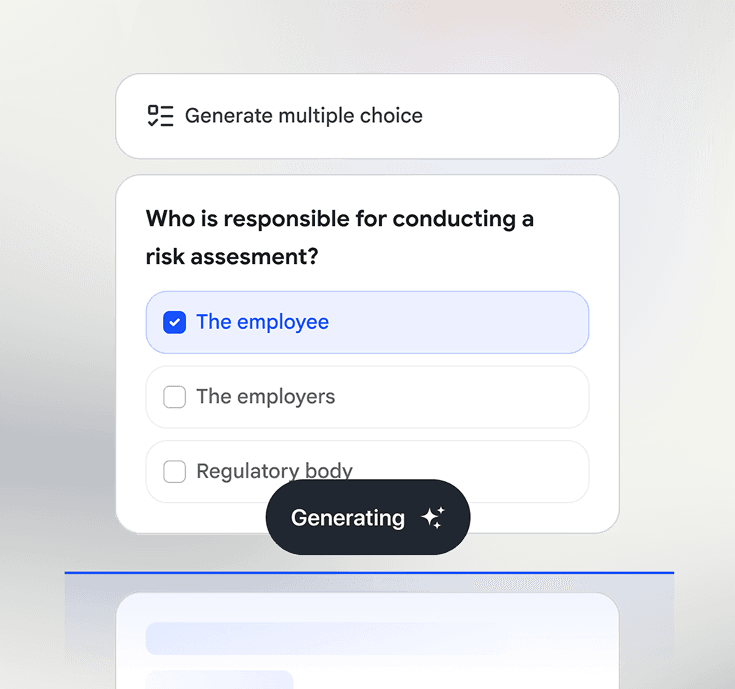
Create new custom content
Learn more
Leverage our ready-to-use libraries
Learn more


INDUSTRIES WE SERVE
Adapted for every industry
From global enterprises to public institutions, we build learning ecosystems that fit the way your organisation actually works.
Get in touch
Healthcare
Supporting learning across clinical, operational and administrative teams.
Clinical onboarding
Compliance training
Leadership
Learn more
Retail
Supporting learning across stores, frontline teams and head office operations.
Store onboarding
Product knowledge
Customer experience
Learn more
Industrial & Energy
Supporting learning across production, operations and safety-critical environments.
Safety & Compliance
SOP training
Process improvement
Learn more
See all

OUR EXPERIENCE
Built on years of learning expertise.
Every organisation has different priorities. Explore some of the learning experiences we've designed across industries and organisations.
Handling a difficult client
Cross-cultural communication
Sales conversation practice
Customer complaint scenarios
First week onboarding
Pre-audit compliance prep
Leadership under pressure
New product rollout
CASE STUDIES

What eLearning solutions does Inelso provide?
Inelso provides custom eLearning content, AI-powered learning experiences, LMS and learning platform services and ready-made eLearning courses. Solutions can be delivered independently or combined around your organisation’s learning goals, audience and existing technology.
How long does it take to develop a custom eLearning programme?
Most custom eLearning pilots can launch within 4–6 weeks. We begin with a discovery phase and develop a focused set of learning modules that can be tested with an initial group of learners before being refined and scaled.
How does Inelso use AI in training and eLearning?
Inelso uses AI to help learners access knowledge, practise skills, receive feedback and follow more personalised learning experiences. Depending on the learning need, solutions may use text, voice or AI avatars and can be grounded in the organisation’s approved content and knowledge sources.
Can Inelso integrate with our existing LMS?
Yes. Inelso can develop content and learning experiences for your existing LMS and support integrations with other organisational systems. We work with platforms including TalentLMS, LearnWorlds, Moodle and WordPress-based solutions, as well as widely supported eLearning standards such as SCORM.
Is our organisational and learner data secure?
Data security is considered throughout the design and implementation of every solution. The specific security, access and data-processing requirements are defined according to your organisation’s systems, policies and the type of solution being developed.
Who owns the custom eLearning content Inelso creates?
Your organisation retains full ownership of the custom learning content developed for you. Usage rights for any third-party software, licensed assets or external technologies are clarified before the project begins.